 EN
EN
 AR
AR
 BG
BG
 HR
HR
 CS
CS
 DA
DA
 NL
NL
 FI
FI
 FR
FR
 DE
DE
 EL
EL
 HI
HI
 IT
IT
 JA
JA
 KO
KO
 NO
NO
 PL
PL
 PT
PT
 RO
RO
 RU
RU
 ES
ES
 SV
SV
 CA
CA
 TL
TL
 IW
IW
 ID
ID
 SR
SR
 UK
UK
 VI
VI
 SQ
SQ
 HU
HU
 TH
TH
 TR
TR
 FA
FA
 AF
AF
 MS
MS
 GA
GA
 IS
IS


Driving Innovation in Branding Materials
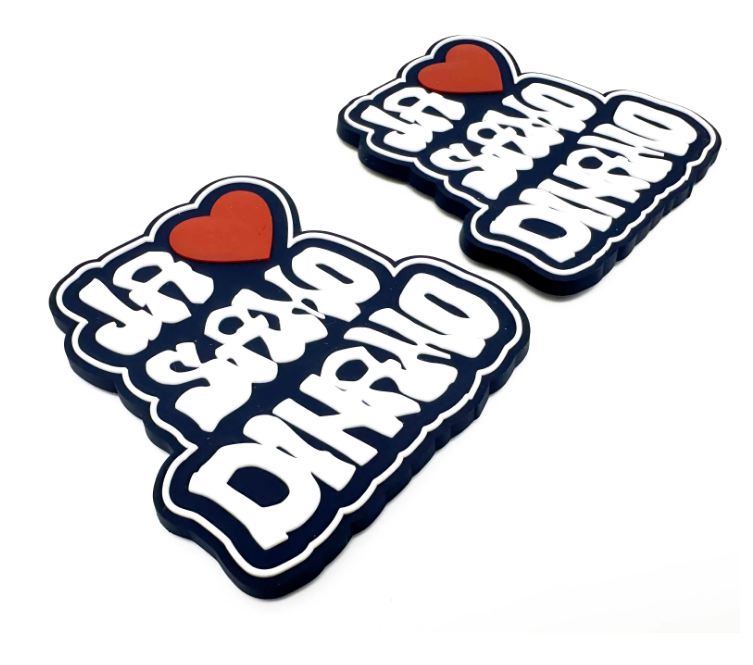
Custom rubber patches are currently a major component of merchandise and apparel branding in the current competitive corporate and retail environment. They are unreplaceable in uniforms, promotional attire, and accessories because of their versatility in terms of durability, visual appeal and cost-efficiency. The effectiveness of theirs is reinforced by high-technology molding that provides consistency, precision and scalability in large-volume manufacturing.
The Role of Molding in Rubber Patch Manufacturing
Custom rubber patch production bases on the technology of molding. Manufacturers can recreate brand logos, 3D effects and fine color applications, through specialized molds. In contrast to most conventional embroidery or printing, the molded rubber patches are more durable and more detailed in appearance, which suits the needs of corporate branding where quality and consistency cannot be compromised.
Key Advantages of Advanced Molding Technology
To manufacturers, wholesalers and corporate purchasers, the implementation of advanced molding systems has provided a number of benefits:
Precision and Detail: The fineness of design is captured by modern molds, allowing intricate logos, text and lines to be reproduced accurately.
consistency at Scale: Automated processes mean that thousands of patches created in bulk are exactly the same, and have to be strictly colored according to brand guidelines.
Durability: Injection-molded patches manufactured using either PVC or silicone are resistant to fading, abrasion, and stresses in the environment and can be used over the long term.
Color Accuracy: Sophisticated color-filling methods enable Pantone-matched branding, which means that there is no inconsistency with the standards of corporate identity.
Manufacturing Process Enhancements
Patch production has been transformed by the integration of computer aided design (CAD) and computer aided manufacturing (CAM). Molds can be digitally designed now, and manufactured with high precision via the use of CNC machining with these systems. Together with automated injection molding and laser-cutting equipment, manufacturers are able to minimise errors, decrease lead times, and retain a stringent quality control.
Supply Chain and B2B Benefits
B2B-wise advanced molding technology gives a strategic edge. Corporations benefit from:
- Reduced Lead Times: The order is met faster through faster mold generation and automated production.
- Lower Costs in Bulk Orders: The economies of scale reduce the per-unit costs and do not sacrifice quality.
- Versatility in Application: The patches can be designed to work across apparel, bags, hats or event merchandise without changes to the underlying design.
- Logistical Efficiency: Rubber patches are small, robust, and can be transported across the world with little risks to the supply chain.
Emerging Trends in Patch Manufacturing
With sustainability growing more and more topical, manufacturers are considering eco-friendly rubber options and energy-saving molding systems. Moreover, multi-color and multi-layer molding innovations offer new creative opportunities to the brands interested in making a difference in the competitive markets.